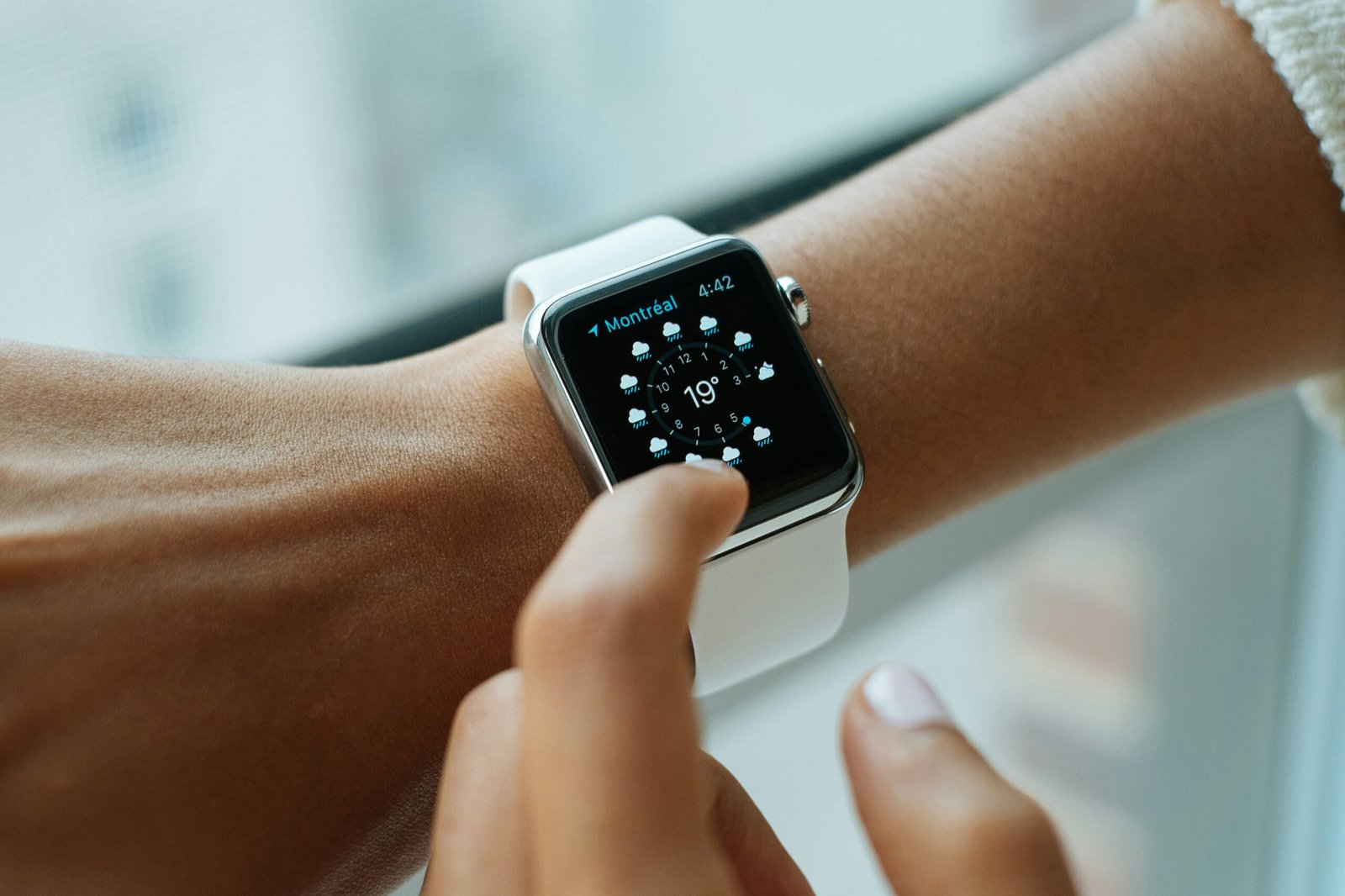
Introduction to the Apple Watch Series 11
The Apple Watch Series 11 marks a significant milestone in wearable technology, presenting an array of innovative features designed to enhance user experience. Apple continues to push the boundaries with this latest iteration, focusing particularly on improved functionality and usability. One of the most notable advancements is its claimed 24-hour battery life, a feature that addresses one of the common concerns associated with smartwatches – the need for frequent recharging. This enhancement not only promotes convenience but also supports users with active lifestyles who rely on their devices for fitness tracking and communication throughout the day.
In addition to its extended battery performance, the Apple Watch Series 11 introduces a range of sophisticated health monitoring options. Users can expect advanced metrics for heart health, including irregular rhythm notifications, as well as new sensors that can monitor blood oxygen levels and sleep quality more precisely. These health-related features affirm Apple’s commitment to integrating wellness into its technology, appealing to health-conscious consumers.
Moreover, the design of the Apple Watch Series 11 has been refined for both aesthetic appeal and comfort. With a variety of customizable bands and faces, users can tailor their watch to reflect personal style while benefiting from a user-friendly interface. This combination of style and substance is pivotal for potential buyers who seek a smartwatch that complements their lifestyle while offering practical functionality.
As we delve deeper into the features of the Apple Watch Series 11, it is essential to also consider the implications of its enhanced battery life. Understanding both the advantages and potential limitations of this feature will provide a comprehensive perspective for consumers contemplating this latest offering from Apple.
Understanding the 24-Hour Battery Life Claim
The Apple Watch Series 11 has generated considerable excitement with its promising 24-hour battery life, a significant improvement over its predecessors. To fully appreciate this claim, it is essential to explore the technical advancements in hardware and software that contribute to this enhanced performance.
Firstly, the hardware modifications play a pivotal role in extending battery duration. The Series 11 is equipped with a more efficient battery architecture that optimally utilizes energy. This new lithium-ion battery is designed to provide longer-lasting power without increasing the physical size of the watch. Coupled with a low-power display technology, the screen consumes significantly less energy, especially when not in active use. This means less frequent charging and greater convenience for users.
Equally important are the software optimizations integrated into the Apple Watch Series 11. The device runs on the latest version of watchOS, which has been engineered to manage power consumption more intelligently. Enhanced algorithms monitor activity, reduce background processes, and limit unnecessary notifications that can drain battery life. These software improvements ensure that the watch is not only utilizing battery power effectively but is also adapting in real-time to the user’s behavior and preferences, further extending the usable time between charges.
Additionally, the Series 11 supports adaptive brightness and variations in refresh rates, which can be adjusted based on user interaction. By dynamically managing how much power the display uses according to its current state—whether active or idle—the watch conserves energy whenever possible. Collectively, these advancements reflect a comprehensive approach to maximizing battery life, allowing users to confidently utilize their device throughout the day. The result is a harmonious blend of cutting-edge technology and user-centric design that culminates in the promising 24-hour battery life claim.
The Catch: Real-World Usage Scenarios
The Apple Watch Series 11 has garnered attention for its impressive claim of delivering a 24-hour battery life; however, the effectiveness of this claim is often contingent upon real-world usage scenarios. Users are encouraged to consider how specific features and their individual usage patterns can significantly influence battery performance, potentially leading to experiences that differ from the advertised endurance.
One key factor affecting battery life is the frequency of health and fitness tracking. When utilizing features such as heart rate monitoring, blood oxygen level checks, or continuous GPS tracking during workouts, the battery life can diminish rapidly. For example, engaging in outdoor activities that leverage GPS can consume power at a noticeably faster rate, particularly if the user opts for workout modes that prioritize accuracy over conservation. Consequently, while the watch may boast extended battery life under standard conditions, those who engage heavily in fitness activities may find the real-world usage ultimately leads to shorter intervals between charges.
Furthermore, the interplay of notifications and apps can also affect battery longevity. The Apple Watch Series 11 supports a myriad of applications, and constant usage of demanding features like streaming music or utilizing voice assistants can accelerate battery drain. Users who frequently engage with notifications or utilize the watch for messaging may notice that rapid interactions can quickly deplete the battery, contrasting sharply with static usage patterns that more closely align with the watch’s estimated life.
Ultimately, while the Apple Watch Series 11 provides features designed to enhance its battery performance, realistic consumption patterns and the intensity of usage will dictate the actual experience. By balancing feature utilization and understanding how specific applications impact battery life, users can better manage expectations regarding the watch’s endurance.
Conclusion and Consumer Considerations
In considering the recent advancements in the Apple Watch Series 11, particularly its touted 24-hour battery life, it is crucial to grasp the nuances surrounding these claims. While the promise of extended battery life is appealing to users seeking longevity in their wearable devices, it is important to recognize that real-world performance may vary based on several factors, including usage patterns and enabled features. The Series 11 does indeed present improvements; however, potential buyers should approach these specifications with a balanced perspective.
For consumers planning to invest in the Apple Watch Series 11, understanding how to effectively manage battery life is vital. Users can maximize their experience by tailoring settings to fit their specific needs. For instance, reducing the brightness of the display, disabling always-on functionality, and leveraging power-saving modes can significantly enhance battery longevity. Furthermore, regular software updates provided by Apple can help optimize battery performance and ensure that users are benefiting from the latest improvements.
Another consideration is the type of activities users engage in while wearing the Apple Watch. High-intensity workouts, continuous heart rate monitoring, and location services can deplete the battery more quickly. Therefore, users may want to adjust these features based on their daily requirements and anticipated usage. It’s also advisable to familiarize oneself with battery health management, which can provide insights into maintaining optimal performance over time.
Ultimately, consumers should conduct thorough research and consider their personal habits before committing to a purchase. By understanding both the capabilities and limitations of the Apple Watch Series 11 battery life, users can make informed decisions that suit their lifestyle and expectations. The pursuit of enhanced functionality and battery life remains a key focus in the evolution of wearable technology.
