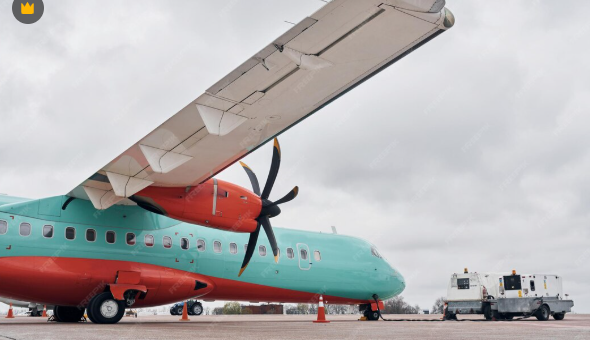
How to Choose Between Narrowbody and Widebody Cargo Aircraft is a key decision for any airline, logistics company, or aviation entrepreneur entering the air cargo market. The right choice affects operational efficiency, route planning, payload capacity, and long-term profitability.
In this guide, we will break down the differences, advantages, and considerations when selecting between narrowbody and widebody cargo aircraft. By understanding the technical, financial, and operational aspects, operators can make informed decisions that maximize ROI.
Understanding Narrowbody and Widebody Cargo Aircraft
Narrowbody aircraft are single-aisle planes typically used for short- to medium-haul routes. They offer lower acquisition and operating costs, making them ideal for regional and high-frequency services.
Widebody aircraft are twin-aisle planes designed for long-haul and high-volume operations. They provide larger payload capacity and longer range, which is crucial for international cargo routes.
Understanding How to Choose Between Narrowbody and Widebody Cargo Aircraft requires evaluating your business model, route network, and cargo type.
Key Differences Between Narrowbody and Widebody Aircraft
Payload Capacity
Narrowbody aircraft typically carry 15–25 tons of cargo, depending on the model. Examples include the Boeing 737 Freighter and Airbus A321F.
Widebody freighters, such as the Boeing 767, 777, or Airbus A330, can transport 40–120 tons of cargo per flight. This makes them suitable for bulk shipments, express cargo, or oversized freight.
Range and Operational Flexibility
Narrowbody aircraft are optimized for short- and medium-haul routes. They are ideal for dense regional networks and high-frequency express deliveries.
Widebody aircraft provide long-range capabilities, supporting intercontinental routes. This makes them essential for global logistics operations.
Operating Costs
Narrowbody aircraft have lower fuel, maintenance, and crew costs. They offer better cost efficiency on shorter routes with smaller payloads.
Widebody aircraft incur higher operating costs but benefit from economies of scale on long-haul flights and high-volume cargo operations.
Airport Accessibility
Narrowbody freighters can operate at smaller airports with limited infrastructure, increasing route flexibility.
Widebody aircraft require longer runways, larger taxiways, and stronger ground support, limiting the number of feasible destinations.
Choosing Based on Business Goals
The choice between narrowbody and widebody cargo aircraft depends largely on your business objectives:
Regional Cargo Operations
If your focus is short-haul, high-frequency deliveries or e-commerce fulfillment, narrowbody aircraft are typically more suitable.
They provide low operating costs, faster turnaround times, and access to smaller airports.
International Cargo Operations
If your business model emphasizes long-haul freight, global express delivery, or bulk shipments, widebody aircraft are essential.
They allow higher payloads and longer range, enabling cost-effective long-distance operations.
Cargo Type and Volume Considerations
The nature of your cargo significantly impacts aircraft selection:
• High-density goods like machinery may benefit from narrowbody aircraft on shorter routes.
• Lightweight but voluminous cargo, such as e-commerce parcels, may require widebody freighters for longer distances.
• Oversized or specialized cargo often necessitates widebody aircraft.
Understanding cargo mix is critical when evaluating How to Choose Between Narrowbody and Widebody Cargo Aircraft.
Fleet Strategy and Flexibility
Many operators adopt a mixed fleet strategy to maximize flexibility. Combining narrowbody and widebody aircraft allows optimized operations across regional and international routes.
This approach resembles diversifying income streams in affiliate marketing or an online business, balancing risk and opportunity.
Cost Analysis and ROI Considerations
Performing a detailed cost-benefit analysis is essential:
• Acquisition or leasing costs
• Fuel and maintenance expenses
• Crew and airport fees
• Revenue potential per route
Widebody aircraft may offer higher revenue potential but require careful planning to ensure routes are sufficiently dense. Narrowbody aircraft provide lower risk and faster ROI for emerging operators.
Aircraft Conversion and Availability
Many airlines consider converting passenger aircraft to freighters.
Narrowbody conversions are widely available and generally cheaper, whereas widebody conversions are more complex and capital-intensive.
Market insights from used cargo aircraft listings can help determine availability and cost-effectiveness for your fleet expansion.
Environmental and Regulatory Considerations
Fuel efficiency and noise regulations increasingly influence aircraft choice. Narrowbody aircraft tend to be more fuel-efficient on shorter routes, while modern widebody freighters incorporate next-generation engines and aerodynamic enhancements for long-haul efficiency.
Compliance with aviation authorities is mandatory and affects both narrowbody and widebody operations. See the FAA air cargo regulations for reference.
Technology and Load Optimization
Advanced load planning software allows operators to maximize revenue per flight. This is critical regardless of aircraft type.
Optimizing load distribution reduces fuel burn and enhances safety, improving profitability and compliance with aviation safety standards.
For more operational guidance, read our internal article on how to optimize cargo aircraft load planning.
Training and Operational Expertise
Pilots, loadmasters, and maintenance crews need type-specific training. Narrowbody aircraft are generally simpler, while widebody operations require specialized knowledge for long-haul and heavy cargo flights.
Investing in well-trained personnel improves operational reliability and customer satisfaction.
Common Mistakes to Avoid
• Choosing aircraft solely on acquisition cost
• Ignoring route density and cargo mix
• Underestimating maintenance and operational expenses
• Neglecting regulatory compliance and airport restrictions
Careful evaluation of these factors ensures informed decisions when choosing between narrowbody and widebody freighters.
Conclusion
How to Choose Between Narrowbody and Widebody Cargo Aircraft depends on multiple factors: route structure, cargo type, fleet strategy, and long-term business goals.
Narrowbody aircraft excel in regional, high-frequency, and e-commerce operations, offering lower operating costs and flexibility. Widebody aircraft are ideal for long-haul, high-volume, or specialized cargo operations, providing greater payload and range.
Many operators benefit from a mixed fleet strategy, balancing risk, cost, and revenue potential. In all cases, careful analysis and strategic planning ensure maximum profitability and sustainable growth, distinguishing air cargo from volatile ventures like a dropshipping business or other digital models.
