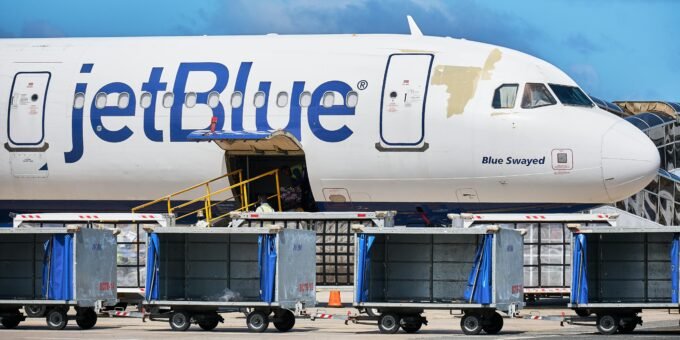
How to Convert a Passenger Aircraft into a Cargo Freighter has become one of the most searched aviation topics as airlines and investors look for cost-effective ways to enter the air cargo market. With global e-commerce growth, supply chain restructuring, and rising demand for express logistics, passenger-to-freighter (P2F) conversions are now a strategic asset.
This comprehensive guide explains the full conversion process, costs, regulations, timelines, and profitability considerations. Whether you are an airline executive or an aviation investor exploring long-term passive income, this article will help you understand every critical step.
Why Passenger-to-Freighter Conversion Is Growing
Passenger aircraft often lose value faster than freighters. Converting them extends their economic life while meeting rising cargo demand. Compared to purchasing new freighters, P2F conversions require less capital and faster delivery timelines.
In many ways, this mirrors the logic behind affiliate vs dropshipping comparisons. A dropshipping business minimizes inventory costs, just as aircraft conversion minimizes acquisition expenses while maintaining revenue potential.
According to air cargo industry outlook, converted freighters will account for a significant portion of global cargo fleet growth through 2035.
Understanding Passenger-to-Freighter (P2F) Conversion
P2F conversion is a complex engineering and regulatory process. It involves structural modifications, system upgrades, and certification approvals to safely transport cargo.
How to Convert a Passenger Aircraft into a Cargo Freighter begins with selecting the right aircraft model, followed by technical modification and regulatory validation.
Aircraft Commonly Converted to Freighters
• Boeing 737-800
• Airbus A321
• Boeing 767-300
• Airbus A330
These aircraft offer the ideal balance of payload, range, and operating economics.
Step 1: Selecting the Right Passenger Aircraft
The success of conversion depends heavily on aircraft selection. Age, maintenance history, and structural condition matter more than brand loyalty.
Aircraft with strong maintenance records and remaining flight cycles provide higher return on investment. Narrowbody aircraft suit regional cargo, while widebody aircraft support long-haul logistics.
For deeper fleet strategy insights, see our internal guide on how to choose the best cargo freighter aircraft.
Step 2: Partnering with a Certified Conversion Provider
Only approved engineering organizations can perform P2F conversions. Choosing an experienced provider reduces certification risk and downtime.
Leading P2F Conversion Companies
• Airbus freighter conversion programs
• Boeing aircraft conversion solutions
• cargo aircraft modification services
These companies handle engineering design, structural modification, and certification support.
Step 3: Structural Modifications Explained
Structural work is the most visible part of How to Convert a Passenger Aircraft into a Cargo Freighter.
Key Structural Changes
• Installation of a large cargo door
• Reinforced floor beams
• Removal of passenger interiors
• Smoke detection and fire suppression systems
The aircraft fuselage is reinforced to support heavy cargo loads and palletized freight.
Step 4: Avionics and System Upgrades
Modern freighters require updated avionics and cargo management systems. These upgrades ensure safety, efficiency, and regulatory compliance.
Flight deck modifications often include weight and balance software, while cargo holds receive advanced fire detection systems.
Operational reliability at this stage creates revenue predictability similar to structured affiliate marketing models.
Step 5: Certification and Regulatory Approval
Regulatory approval is mandatory before commercial operations. Authorities such as the FAA and EASA review every modification.
Key approvals include:
• Supplemental Type Certificate (STC)
• Airworthiness certification
• Updated operational manuals
Guidelines from freighter aircraft certification standards ensure global safety compliance.
Step 6: Conversion Timeline and Downtime
Conversion typically takes 90 to 180 days depending on aircraft type and facility capacity.
Efficient project management minimizes downtime and accelerates revenue generation. Many operators schedule conversions during low-demand cycles.
This approach reflects smart capital deployment often seen in scalable online business strategies.
Step 7: Cost Breakdown and Financial Planning
Understanding costs is essential when planning How to Convert a Passenger Aircraft into a Cargo Freighter.
Typical Cost Components
• Aircraft acquisition
• Conversion engineering and labor
• Certification and testing
• Downtime opportunity cost
Narrowbody conversions typically cost less than widebody projects. However, widebodies generate higher long-term revenue.
Step 8: Revenue Potential After Conversion
Converted freighters generate income through long-term cargo contracts, ACMI leasing, or charter operations.
Many airlines treat converted aircraft as stable cash-flow assets, comparable to infrastructure-backed passive income investments.
Compared to a dropshipping business, converted aircraft require higher capital but provide predictable returns and tangible asset value.
Operational Considerations After Conversion
Once converted, operational efficiency becomes the primary focus.
Key Operational Factors
• Load optimization
• Route planning
• Maintenance scheduling
• Crew training
Aircraft with strong aftermarket support reduce maintenance costs and improve dispatch reliability.
Environmental and Sustainability Factors
Newer P2F programs emphasize fuel efficiency and emissions reduction. Sustainable aviation fuel compatibility is becoming a major selection criterion.
Environmental compliance protects long-term asset value and ensures access to major global hubs.
Risks and Challenges in Aircraft Conversion
While profitable, P2F conversion carries risks. Delays, certification issues, or market shifts can affect returns.
Partnering with experienced conversion providers and securing contracts before completion reduces exposure.
Future Trends in Passenger-to-Freighter Conversion
Demand for narrowbody freighters will grow fastest, driven by e-commerce and regional logistics. AI-driven load planning and digital maintenance tracking will further enhance efficiency.
Operators who master How to Convert a Passenger Aircraft into a Cargo Freighter will gain a competitive edge in the evolving cargo market.
Conclusion
How to Convert a Passenger Aircraft into a Cargo Freighter is not just a technical process. It is a strategic investment decision.
When executed correctly, conversion transforms underutilized passenger aircraft into revenue-generating assets. Unlike many digital ventures such as affiliate marketing, converted freighters offer tangible value, long-term stability, and strong market demand.
For airlines and investors seeking scalable growth, passenger-to-freighter conversion remains one of the smartest moves in modern aviation.
